The Sworn Proof of Loss and Its Deadline
The proof of loss is the document that converts a reported loss into a quantified claim, and it carries the tightest deadline in the sequence. In the statutory fire policy forms it is sworn, itemized, due within sixty days, and extended only in writing.
The rule in short
The standard fire policy conditions require the insured to render a signed and sworn proof of loss within sixty days of the loss unless the insurer extends the time in writing, stating the time and origin of the loss, the interests of all parties, the value of each item and other insurance. Regulators require insurers to supply the forms and instructions, and bar denial merely because the proof was not on the insurer's usual form.
A reported claim and a proved claim are different things. The report opens a file; the proof of loss states, under oath, what was destroyed, what interest the claimant had in it, what it was worth and what other insurance covers it. It is the document that makes the claim capable of being paid, and in the statutory policy forms it carries the tightest deadline in the whole loss-adjustment sequence.
What the document must contain
The clearest statement of the requirement is in the state-prescribed fire policy forms. New York's directs that within sixty days after the loss, unless the time is extended in writing by the company, the insured shall render a proof of loss signed and sworn to by the insured, stating the knowledge and belief of the insured as to the time and origin of the loss, the interest of the insured and of all others in the property, its actual cash value, each item of loss, all encumbrances, all other insurance, and any changes in title, use, occupation or possession since the policy was issued.
California's statutory form and Minnesota's contain the same catalogue. The list is long because it addresses more than value: it identifies who else may claim the money, whether the risk changed after underwriting, and whether the loss is insured elsewhere. Regulators take a more functional view of the document, with Ohio defining a proof of loss as one from the claimant providing sufficient information for the insurer to determine the existence and amount of the claim.
The sixty-day clock
Under the statutory forms the period runs from the loss, not from the report and not from receipt of a form. That matters because a policyholder occupied with emergency repairs and temporary accommodation can consume most of the period before beginning an inventory. The clock is also independent of the insurer's own progress: an adjuster who has not yet inspected does not stop it.
Not every policy uses that period. Commercial forms and many homeowners forms require the proof within sixty days after the insurer's request rather than after the loss, which is a materially different obligation and one that never begins until the insurer asks. Reading the condition in the policy that actually issued is the only reliable way to know which clock is running, and the difference is large enough that the two are frequently confused.
Written extension is the mechanism the forms provide, and it is the only one they provide. Where an insurer agrees to more time, a letter or email recording the agreement converts a contested question into a documented one. Where an insurer simply keeps adjusting, asking for receipts and scheduling inspections past the deadline, the argument shifts from extension to waiver, and that argument is decided under state law rather than under the policy.
| Step | Who acts | Typical period |
|---|---|---|
| Notice of loss | Policyholder | Immediate or prompt under the policy |
| Acknowledgment of the claim | Insurer | Fifteen days in Ohio |
| Sworn proof of loss | Policyholder | Sixty days in the statutory fire forms |
| Accept or deny the claim | Insurer | Twenty-one days after proof in Ohio |
| Earliest suit on the policy | Policyholder | Sixty days after proof in Wisconsin |
Ohio's rule requires that where the form and execution of a proof of loss is material to an insurer, the insurer must immediately provide the claimant with the specific documents and specific instructions needed to submit the claim, and expressly bars denying a claim solely because the proof of loss was not on the insurer's usual form. The obligation to supply the paperwork sits with the party that wants it in a particular shape.
What happens when none is filed
A proof of loss condition is enforceable, and a claim can fail because nothing was filed. Whether it does depends on the same divide that governs late notice: states that require an insurer to show prejudice before a breach of a loss condition defeats coverage will ask what the insurer lost by the omission, while states applying the condition strictly will not. Because the two conditions travel together, the treatment of late notice in that state is a reliable guide to how a missing proof of loss will be handled.
Waiver and estoppel do most of the work in practice. An insurer that denies coverage outright before the period expires has generally relieved the claimant of the requirement, because the document would serve no purpose. An insurer that pays part of the claim, requests documents, conducts an examination or invokes appraisal without ever mentioning the proof of loss is in a weaker position to insist on it afterward.
The clocks that start on filing
Filing the proof of loss shifts the burden of the timetable to the insurer. Ohio requires the insurer to decide whether to accept or deny within twenty-one days of receipt of properly executed proofs of loss, to notify the claimant within that period and explain the need for more time if the investigation is unfinished, and thereafter to report on the status at least every forty-five days. Wisconsin's regulation treats failure to affirm or deny coverage within a reasonable time after proof of loss has been completed as an unfair claim settlement practice.
The document also unlocks and delays remedies. Wisconsin bars an action to compel payment until at least sixty days after proof of loss has been furnished or waived, or until the insurer denies full payment, whichever comes first. The statutory fire forms make the loss payable sixty days after proof of loss is received and the amount is fixed by agreement or by an award, which is the bridge into the appraisal process when only the number is disputed.
Documenting the numbers
The itemized schedule is where most of the effort goes, and it is the part an insurer scrutinizes. Contents claims are built from room-by-room lists with age, original cost and replacement source for each item; structural claims are built from a contractor's estimate that separates materials, labor and overhead. Photographs, purchase records, bank and card statements and prior appraisals are the ordinary support, and their absence is not fatal but shifts the argument onto estimates.
Valuation is stated according to the measure the policy uses, so a schedule prepared on a replacement basis where the coverage pays actual cash value invites a dispute that has nothing to do with the facts. The difference between those two measures, and the holdback that sits between them, is set out in the treatment of actual cash value and replacement cost, and it should be settled before the schedule is prepared rather than after.
Points to carry away
- The proof of loss is sworn, itemized and signed, which distinguishes it from the initial report of a claim.
- The statutory fire policy forms allow sixty days from the loss unless the insurer extends the time in writing.
- Ohio requires an insurer to supply the specific documents and instructions where the form is material to it.
- Ohio gives the insurer twenty-one days from a properly executed proof of loss to accept or deny the claim.
- Conduct by an insurer that treats the requirement as satisfied can waive it or create an estoppel.
Questions readers ask
Is the first call to the insurer a proof of loss?
No. Notice tells the insurer that a loss has happened; the proof of loss states what was lost and what it was worth, under oath. The two conditions are separate in the policy and run on separate clocks. Some regulators define a proof of loss functionally, as a document providing enough information for the insurer to determine the existence and amount of the claim, which means a detailed sworn statement can satisfy the condition even if it is not on the insurer's preferred form.
Can the deadline be extended?
The statutory forms allow it, but only in writing by the insurer. An adjuster's oral assurance that there is no rush is a common source of dispute, and its effect depends on whether the state treats the conduct as a waiver or an estoppel rather than as an extension under the policy. The safer reading of the condition is that an extension exists when it is documented. Where an insurer has requested further documents and continued adjusting, courts frequently find the requirement waived in substance.
What if the full extent of the damage is not yet known?
The proof is filed on the information available and identified as such, with supplements to follow. Concealed damage discovered during repairs is a recurring feature of property claims, and both the policies and the statutes contemplate additional or supplemental claims afterward. What creates difficulty is filing nothing at all while waiting for a final figure, since the condition runs from the loss rather than from the completion of an estimate, and an unfiled proof is harder to defend than an incomplete one.
Sources
- New York Insurance Law § 3404Prescribes the sworn proof of loss within sixty days and the matters it must state.
- California Insurance Code § 2071Contains the same sixty-day sworn proof of loss condition in California's standard form.
- Minnesota Statutes § 65A.01Sets the Minnesota standard fire policy and its proof of loss and payment provisions.
- Ohio Administrative Code Rule 3901-1-54Defines proof of loss, requires forms and instructions, and sets a twenty-one day decision period.
- Wisconsin Administrative Code Ins 6.11Treats failure to affirm or deny coverage within a reasonable time after proof of loss as unfair.
- Wisconsin Statutes § 631.83Bars suit until sixty days after proof of loss is furnished or waived, or the insurer denies payment.
- Florida Statutes § 627.70131Requires acknowledgment of communications and a decision on the claim within stated periods.
Rapid Response Law is a publication, not a law firm. This article states general rules and cites its sources; it is not advice about any particular case, and the law differs by state and changes over time.
More in Insurance Claims
Actual Cash Value, Replacement Cost and the Holdback
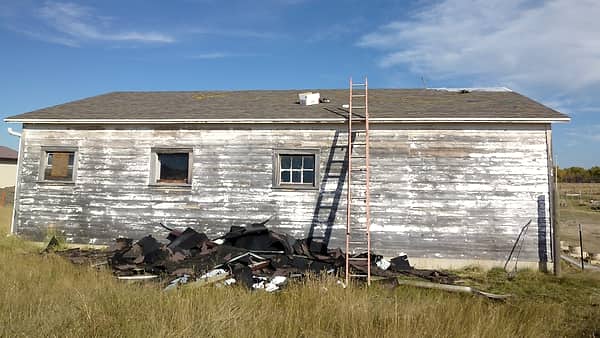
Actual cash value is commonly measured as the cost to repair, rebuild or replace less a fair deduction for physical depreciation, and California limits that deduction to components normally subject to repair during a structure's useful life. Replacement cost coverage pays the full cost, but the standard mechanism advances actual cash value first and releases the depreciation holdback when repairs are complete, within a period the policy or a statute sets.
Bad Faith and What Distinguishes It From a Wrong Decision
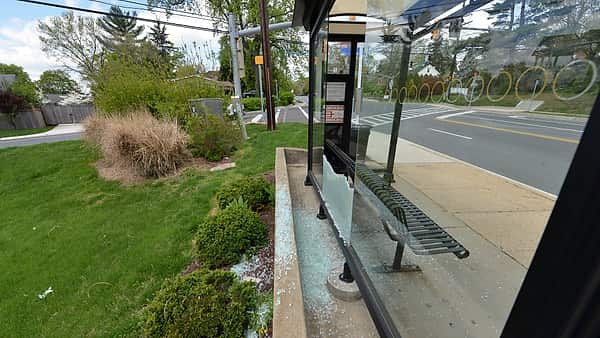
A denial that turns out to be mistaken is a breach of contract. Bad faith requires more: conduct that was unreasonable, or a failure to attempt in good faith to settle where the insurer could and should have done so. Florida creates a statutory civil remedy conditioned on sixty days of written notice with an opportunity to cure, and provides that mere negligence alone is insufficient. Several states also impose interest on overdue payments.

Additional Living Expenses While a Home Is Unusable
Additional living expense coverage pays the increase in the cost of living while a residence is uninhabitable after a covered loss. California requires an insurer to give the claimant a list of items it believes may be covered, sets a floor of twenty-four months for losses connected with a declared state of emergency with extensions to thirty-six, requires two weeks where a civil authority order restricts access, and allows an advance of four months on a total loss.